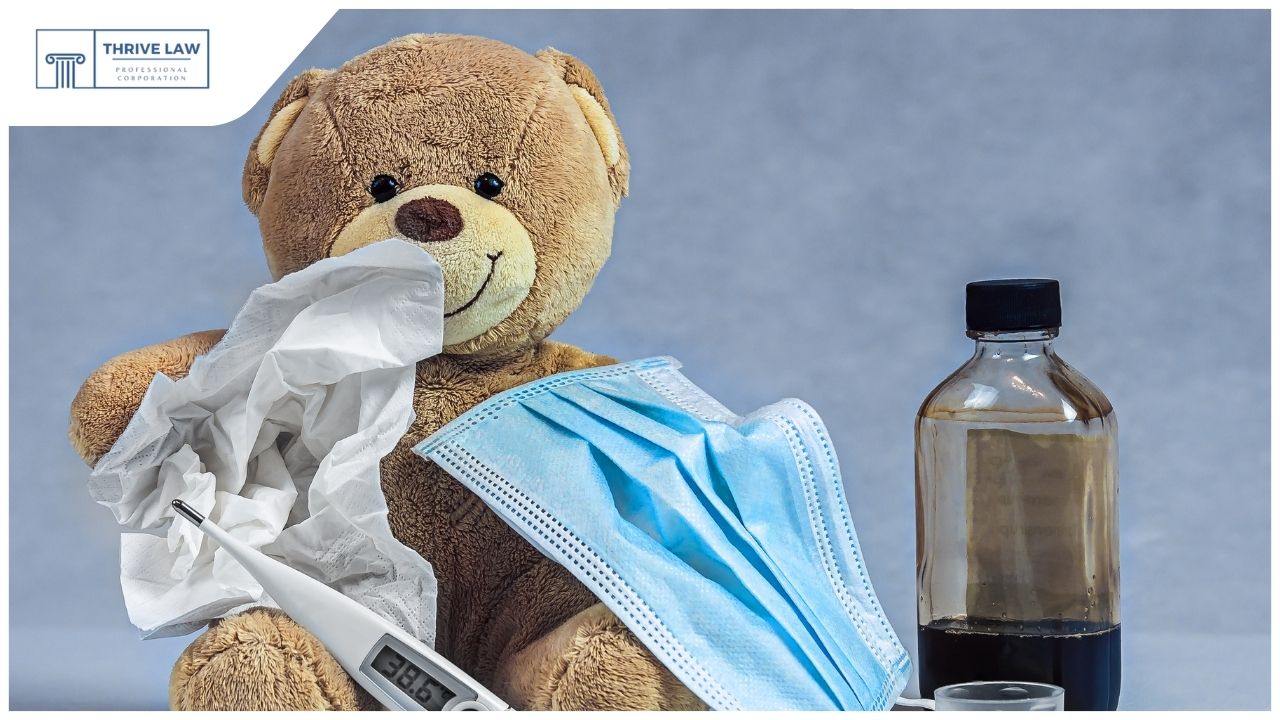
You have a legal right to sick leave. Under Ontario’s Employment Standards Act, 2000, most employees are entitled to up to 3 days of unpaid sick leave per calendar year for personal illness, injury, or medical emergency.
Sick leave isn’t paid — not under the ESA. The 3 days are unpaid unless your employer offers paid sick days as part of your contract, company policy, or collective agreement. Many employers do offer paid sick time, but it is not a legal requirement across the board.
Check your employment contract or company handbook — paid sick leave is often a negotiated benefit, not a legislated one.
Who Qualifies?
You’re entitled to ESA sick leave if you’ve been employed with your employer for at least two consecutive weeks. There’s no minimum hours requirement — part-time employees qualify too.
What If You're Sick for Longer Than 3 Days?
If your illness or injury extends beyond your 3 ESA sick days, you may be entitled to:
Personal Emergency Leave overlap — Sick days fall under the broader Personal Emergency Leave category, which also covers family responsibility and bereavement leave, depending on your situation.
Sick notes — Your employer can request a sick note, but cannot require it for every single sick day taken under the ESA. Be aware some employers attempt to impose this anyway — that’s worth pushing back on.
Long-term illness — For extended absences beyond ESA leave, your job may still be protected under other provisions, particularly if your illness qualifies as a disability under the Ontario Human Rights Code, which requires your employer to accommodate you.
Can You Be Fired for Being Sick?
Not for taking protected sick leave. Terminating, demoting, or punishing an employee specifically for taking ESA sick leave is illegal — that’s reprisal.
If your illness qualifies as a disability, your employer also has a duty to accommodate you under the Human Rights Code, up to the point of undue hardship. Firing someone instead of accommodating a legitimate medical condition can result in a human rights claim in addition to wrongful dismissal.
Your job is protected while on sick leave. Your employer must reinstate you to the same or a comparable position when you return, and your benefits and seniority continue to accrue.
What To Do If Your Rights Were Violated
If you were denied sick leave, pressured to come in while ill, or terminated after taking sick days, document everything — dates, communications, and any reason given. Then speak with an employment lawyer. You may have a claim under the ESA, the Human Rights Code, or both.